Whitepaper
Multi-Layer QA Framework
Cognegica's multi-layer quality-assurance framework: native-linguist involvement, demographic diversity, data security, AI dataset compliance and structured SOP workflows.
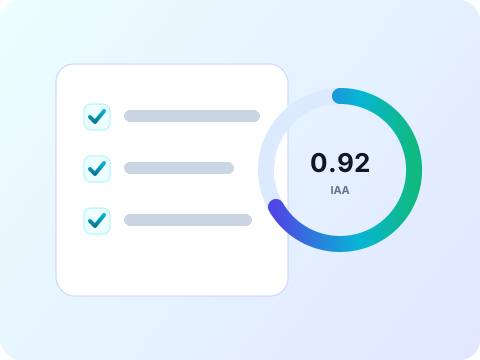
Quality is the difference between data a model can learn from and data that quietly degrades it. This reference documents the multi-layer QA framework applied across Cognegica collection and annotation engagements.
Native-linguist involvement
Native linguists review output as a dedicated layer, catching orthographic, dialectal and pragmatic errors automated checks miss.
Demographic diversity
QA verifies that the demographic and environment matrix was actually met — diversity is checked, not assumed.
Data security and confidentiality
Access-controlled handling and documented chain of custody for sensitive data, with an India-residency option.
AI dataset compliance standards
Deliveries are checked against the project's dataset compliance requirements before sign-off.
Structured SOP workflows
Errors are categorised and routed back into the guidelines and SOP workflows, so recurring issues are designed out over time.
About the framework
Questions about multi-layer QA
- What makes it multi-layer?
Different classes of error are caught at different stages — automated checks, manual review, native-linguist review, and metadata verification — rather than in a single pass.
- How do you measure quality?
Against documented guidelines and the project's quality bar, with errors categorised so they feed back into the SOPs. Specific metrics are scoped per project and available under NDA.
- Is data kept secure?
Yes — access-controlled handling, documented chain of custody, and an India-residency option for sensitive programs.